I’ll be honest—when I first came across the term “pillow princess,” I didn’t really understand it, and like a lot of people, I had some assumptions that weren’t exactly fair. It sounded like a label for someone passive, maybe even someone who doesn’t contribute much in a relationship. But over time, especially through my own experiences and conversations with partners, I realized that definition doesn’t reflect reality at all.
From my perspective, being a “pillow princess” simply means I naturally lean toward receiving physical attention rather than initiating it in a traditional way. That doesn’t mean I’m disengaged. In fact, I’m very present, very responsive, and emotionally involved in the moment. I pay attention, I communicate, and I react in ways that shape the experience just as much as physical actions do. It’s less about “doing” and more about connection, timing, and how you show up emotionally.
Why This Dynamic Can Actually Work Really Well
One thing I’ve learned is that intimacy isn’t about both people doing the exact same things—it’s about whether two people’s preferences align. I’ve been with partners who genuinely enjoy taking the lead, and when that dynamic matches naturally, everything feels more relaxed and intuitive instead of forced.
I remember one conversation that really stayed with me. A partner once told me, “I don’t need you to perform in a certain way. What matters is how present you are. When you’re really in it, it makes everything better.” Hearing that shifted how I saw myself, because it made me realize that responsiveness and emotional engagement are not lesser contributions—they’re just different ones.
In the right dynamic, there’s no pressure to act against your nature. Instead, both people feel more comfortable, and that comfort is what makes the experience actually enjoyable.
Communication Is What Makes It Work
Of course, none of this works without communication. Being clear about what you like, what you’re comfortable with, and what your boundaries are makes everything easier and more intentional.
When both people understand each other, it removes the guesswork and replaces it with trust. It also helps avoid misunderstandings, especially when dealing with labels that people may interpret differently. In my experience, once everything is openly discussed, this dynamic stops feeling unusual and simply becomes one of many valid ways people connect.
Where Sex Toys Fit Into This Dynamic
This is something I think more people should talk about, because in my experience, sex toys can actually make this kind of dynamic work even better. They don’t replace connection—instead, they support it by adding variety and helping both partners stay in sync without pressure.
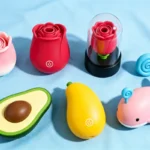
For example, something like a rose toy can introduce a different kind of sensation that feels softer and more rhythmic, which works really well for someone like me who focuses more on receiving and experiencing. It creates a shared moment rather than something one-sided, and it can make the whole experience feel more relaxed and natural.
A friend of mine once described it in a way I really agreed with. She said, “It’s not about needing something extra. It’s about having more ways to enjoy what you already like.” That perspective made a lot of sense to me, because it shifts the focus from performance to exploration.

Breaking the “Lazy” Stereotype
One of the biggest misconceptions I’ve seen is the idea that a “pillow princess” is lazy or not a good partner. In reality, that usually comes from a very narrow understanding of intimacy.
Not everything is transactional, and not every relationship needs to follow the same structure. Being a good partner isn’t about checking off a list of actions—it’s about connection, awareness, and mutual enjoyment. In the right situation, someone like me can be just as engaged and fulfilling as anyone else, just in a different way.
It’s Just One Way of Experiencing Intimacy
At the end of the day, this is simply one way of experiencing intimacy. Some people prefer balance, some like to switch roles, and some naturally lean more toward one side. None of these are inherently better or worse—they’re just different.
For me, understanding this about myself actually made relationships easier. I stopped trying to force myself into something that didn’t feel natural, and instead focused on being honest about what I enjoy and how I connect. In the right relationship, that honesty doesn’t limit anything—it actually makes the connection deeper, more relaxed, and more genuine.